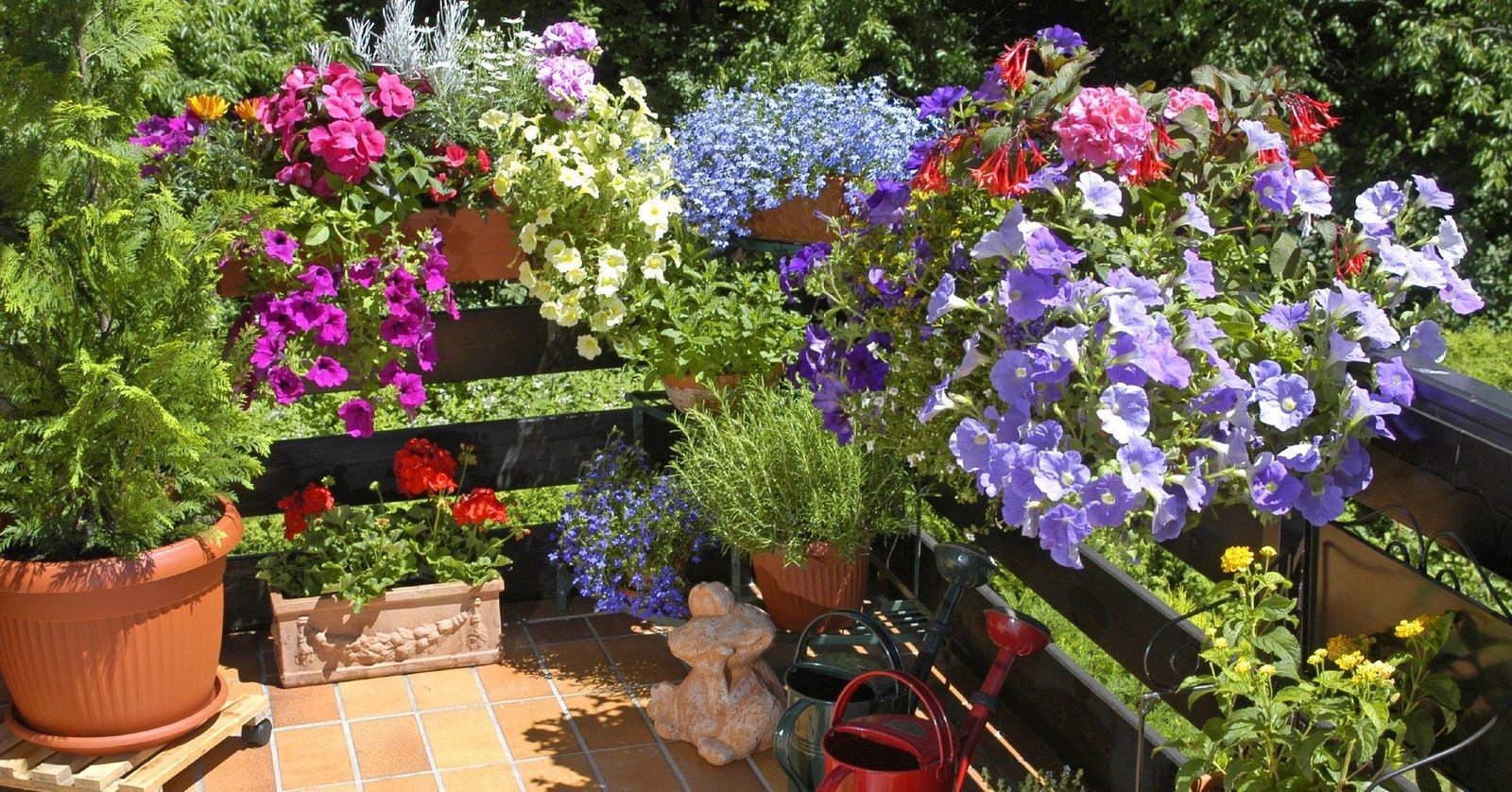
If you enjoy growing plants at home, chances are you’ve heard gardeners talk about liquid fertilizers. From balcony flowers and indoor houseplants to tomatoes and chillies in containers, many gardeners use liquid plant food as part of their regular plant care routine.
But choosing the best liquid fertilizer for plants is not simply about buying a bottle from a garden store. Different plants have different nutritional needs, and using fertilizer at the wrong time or in the wrong quantity can be less helpful than many people realize.
This complete guide explains what liquid fertilizer is, when plants actually need feeding, how to choose the right type, how to apply it safely, and the common mistakes beginners should avoid.
Whether you’re growing roses, hibiscus, money plants, vegetables, or indoor foliage plants, this article will help you understand the basics before choosing a suitable liquid fertilizer.
Table of Contents
What Is Liquid Fertilizer?
Liquid fertilizer is a plant nutrient product that is usually mixed with water before being applied to plants. Fertilizers come in different forms, including liquid and dry products, and the right choice depends on the nutrients a plant needs. Unlike dry fertilizers, liquid fertilizers are designed to be diluted and delivered through watering according to the product instructions.
Most liquid fertilizers are formulated to provide essential nutrients that support plant growth. Depending on the product, they may be intended for general-purpose gardening, flowering plants, vegetables, foliage plants, or specific plant groups.
For home gardeners, liquid fertilizers are popular because they are easy to measure, easy to mix, and convenient for container gardening where plants are watered regularly.
Why Do Plants Need Fertilizer?
Plants require a range of nutrients to grow properly. While healthy soil already contains many nutrients, plants growing in pots and containers have limited growing media, so nutrients can gradually become depleted over time.
A balanced fertilizer can help provide nutrients when plants need additional feeding during active growth. However, fertilizer should not be viewed as a replacement for proper watering, sunlight, healthy soil, drainage, or good plant care.
A healthy gardening routine always starts with:
- Suitable sunlight
- Proper watering
- Good-quality soil or potting mix
- Adequate drainage
- Correct fertilizer only when needed
Think of fertilizer as one part of complete plant care rather than the only solution.
How Liquid Fertilizer Works
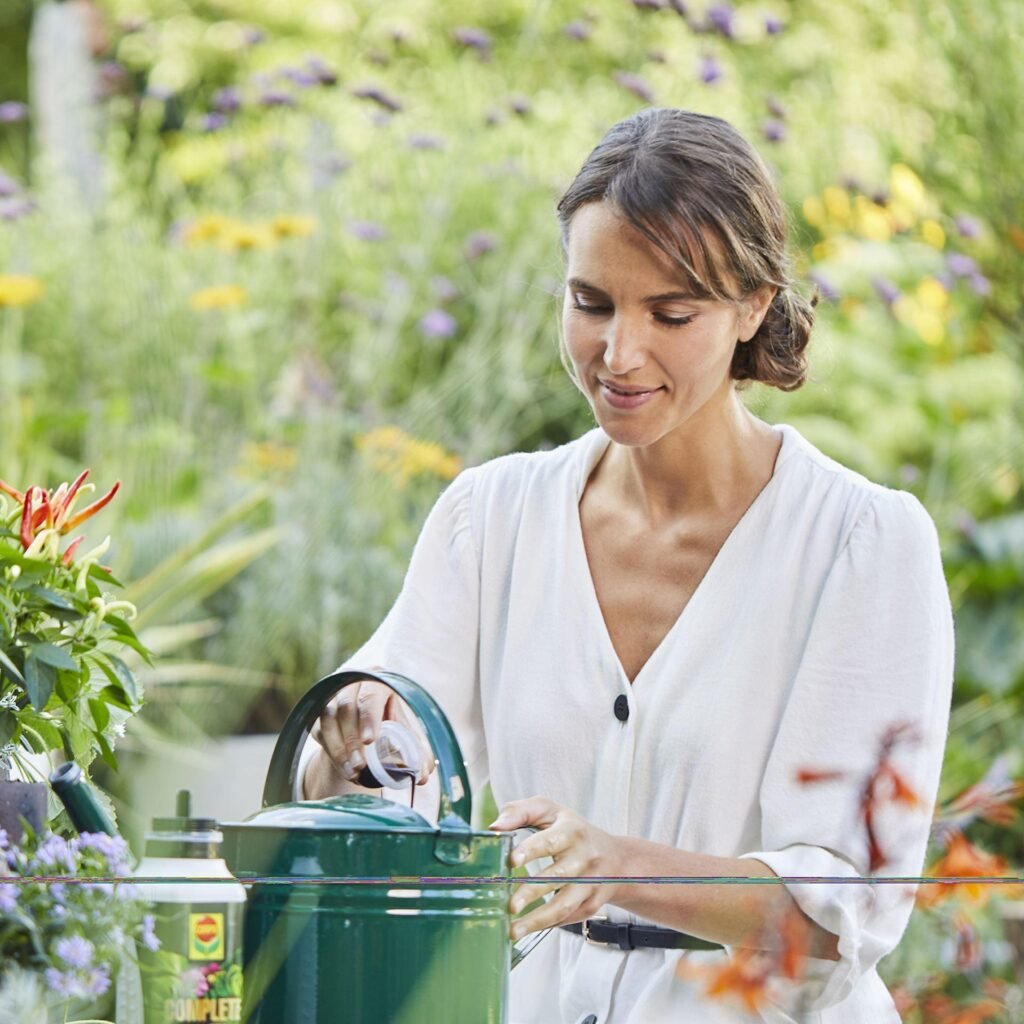
When mixed according to the label instructions, liquid fertilizer is applied with water around the root zone or by another method recommended by the manufacturer.
Because it is delivered in liquid form, it is particularly convenient for:
- Balcony gardens
- Terrace gardens
- Indoor plants
- Container vegetables
- Flower pots
- Nursery plants
The exact application method depends on the individual fertilizer product. Always follow the manufacturer’s dilution and usage instructions instead of assuming that every liquid fertilizer should be used in the same way.
Which Plants Can Benefit From Liquid Fertilizer?
Many home gardeners grow several different types of plants in containers. Some commonly grown plants that may benefit from suitable feeding include the following.
Indoor Plants
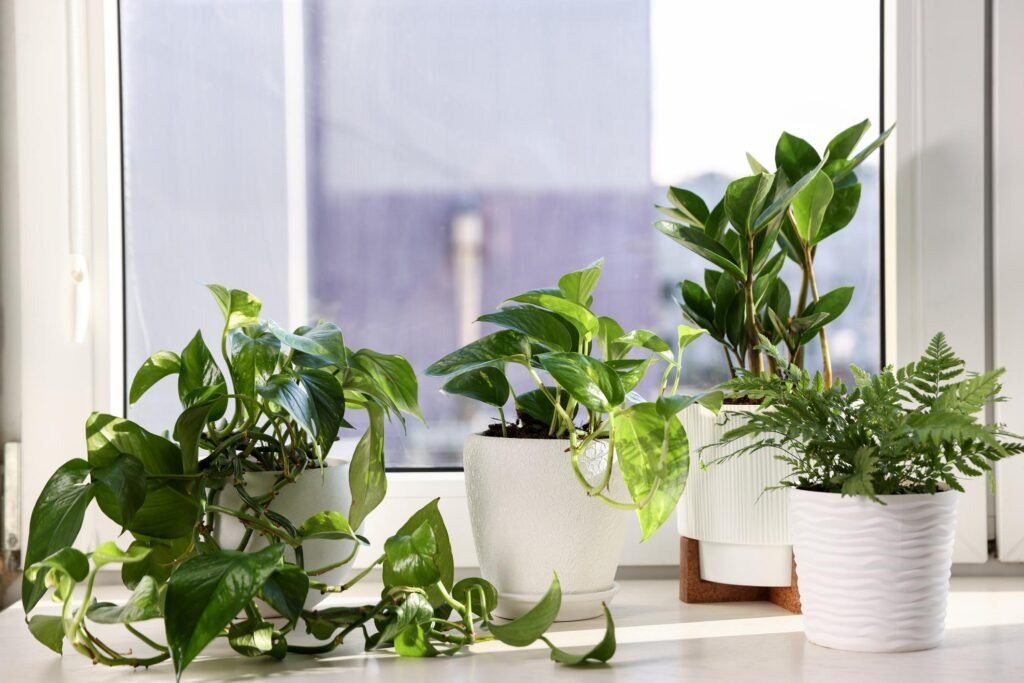
Indoor plants such as money plant, pothos, philodendron, syngonium, peace lily, spider plant, and many foliage plants grow in limited potting media.
As plants continue growing, the nutrients available in the pot can gradually reduce. During active growth, a suitable liquid fertilizer may be useful when applied according to the product instructions.
Remember that healthy indoor plant growth also depends on adequate light, watering, and drainage.
Flowering Plants
Flowering plants like roses, hibiscus, marigolds, petunias, bougainvillea, and jasmine often require regular care throughout their growing season.
Different flowering fertilizers are formulated differently, so gardeners should select products that match the plant’s requirements rather than assuming one fertilizer suits every flowering plant.
Consistent sunlight and proper pruning are equally important for healthy flowering.
Vegetable Plants
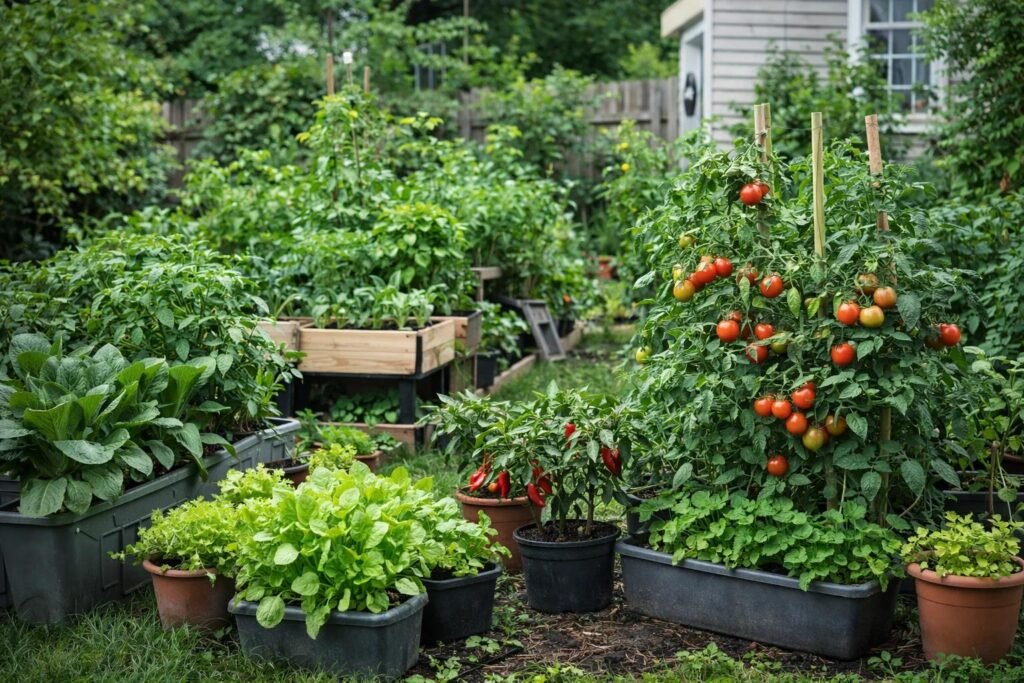
Container vegetables such as tomatoes, chillies, brinjal, cucumbers, and leafy greens are actively growing crops that often need regular nutrition throughout their growing period.
Vegetable plants should be fed according to their growth stage and the fertilizer label instructions. Overfeeding does not necessarily produce better harvests.
Balcony and Terrace Gardens
Balcony gardeners usually grow plants in pots instead of garden soil. Because containers contain a limited amount of growing media, regular observation becomes important.
A suitable liquid fertilizer can be a convenient option because it is easy to apply during routine watering schedules.
How to Choose the Best Liquid Fertilizer for Plants
There is no single fertilizer that is automatically the best choice for every garden. Instead, choose a product based on your plants and gardening goals.
Here are the most important things to consider.
1. Identify Your Plant Type
Before buying fertilizer, ask yourself:
- Is it an indoor foliage plant?
- Is it a flowering plant?
- Is it a vegetable plant?
- Is it a succulent or cactus?
- Is it a mixed balcony garden?
Different plants may require different nutrient balances.
2. Read the Product Label Carefully
The fertilizer label provides the most important information about the product.
Look for:
- Recommended dilution
- Application frequency
- Suitable plant types
- Storage instructions
- Safety precautions
Never guess the dosage.
3. Consider Your Growing Environment
Plants growing outdoors receive different sunlight and environmental conditions compared with indoor plants.
Factors such as:
- Sunlight
- Temperature
- Rainfall
- Pot size
- Soil quality
all influence how plants grow.
The same fertilizer may therefore be used differently depending on the gardening situation and the manufacturer’s instructions.
When Should You Fertilize Plants?
One of the biggest mistakes beginners make is feeding plants simply because a calendar says it’s time.
Instead, observe whether your plants are actively growing.
Many plants benefit from feeding during periods of active growth, while feeding may be reduced when growth naturally slows. The ideal timing varies between plant species, climate, and growing conditions.
For example:
- Indoor foliage plants often grow more actively during brighter months.
- Flowering plants may require feeding during their active flowering season.
- Vegetable plants need nutrition throughout important growth stages.
- Newly transplanted or stressed plants may need time to establish before feeding.
Always use the product label as the primary guide.
How Often Should You Use Liquid Fertilizer?
There is no universal schedule.
Different fertilizer formulations recommend different application frequencies. Some are designed for weekly use, others every two weeks, and others less frequently.
The safest approach is:
- Read the label.
- Mix exactly as directed.
- Apply only according to the recommended schedule.
- Observe plant growth over time.
More fertilizer does not automatically mean faster growth.
How to Apply Liquid Fertilizer Correctly
Applying liquid fertilizer is usually straightforward when you follow the product instructions.
Step 1: Read the Label
Before opening the bottle, read the complete instructions carefully.
Every fertilizer has its own recommended dilution and usage method.
Step 2: Measure the Correct Quantity
Use the measuring cap or measuring tool recommended for the product.
Avoid estimating by eye.
Step 3: Mix With Water
Add the fertilizer to the required amount of water exactly according to the label directions.
Mix thoroughly before application.
Step 4: Apply Around the Root Zone
For most watering applications, the diluted fertilizer is applied to the soil around the plant roots.
Avoid pouring concentrated fertilizer directly onto roots unless the product specifically instructs otherwise.
Step 5: Continue Normal Plant Care
After fertilizing, continue maintaining proper watering, sunlight, and drainage.
Fertilizer works best as part of consistent plant care.
Common Mistakes Home Gardeners Should Avoid
Even experienced gardeners occasionally make fertilizer mistakes. Avoiding these can help maintain healthier plants.
Mistake 1: Overfeeding
Using more fertilizer than recommended can create unnecessary problems.
Always follow the label dosage instead of increasing the quantity.
Mistake 2: Fertilizing Dry Soil Without Checking Instructions
Some plants are sensitive to fertilizer application when the growing media is extremely dry.
Follow the product instructions carefully regarding watering before application.
Mistake 3: Using the Same Fertilizer for Every Plant
Different plants have different nutritional requirements.
Choose fertilizers according to plant type whenever possible.
Mistake 4: Ignoring Sunlight and Watering
Fertilizer cannot compensate for poor lighting, overwatering, underwatering, or inadequate drainage.
Healthy growth depends on complete plant care.
Mistake 5: Expecting Instant Results
Plant growth is a gradual biological process.
Healthy gardening requires patience, observation, and consistent care.
Liquid Fertilizer vs Granular Fertilizer
Both liquid and granular fertilizers are commonly used in gardening.
Liquid Fertilizer
Suitable for gardeners who prefer:
- Easy mixing
- Convenient application
- Container gardening
- Routine feeding with watering
Granular Fertilizer
Suitable for gardeners who prefer:
- Soil application
- Longer-lasting feeding products
- Slow-release options where appropriate
Neither is automatically better. The right choice depends on your gardening style, plant type, and the product being used.
Signs That Your Plants May Need Attention
Before reaching for fertilizer, observe your plants carefully.
Possible signs that deserve investigation include:
- Slow growth
- Pale leaves
- Reduced flowering
- Smaller new leaves
- Weak overall appearance
However, these symptoms do not automatically mean fertilizer deficiency.
They may also result from:
- Poor drainage
- Root problems
- Inadequate sunlight
- Overwatering
- Underwatering
- Pest damage
Correct diagnosis is always more useful than automatically adding fertilizer.
Tips for Better Results With Container Plants
Container gardening is slightly different from growing plants directly in garden soil.
Here are some practical tips.
Use Good Potting Mix
Healthy roots begin with suitable growing media.
Choose a quality potting mix appropriate for your plants.
Ensure Proper Drainage
Every pot should allow excess water to drain properly.
Standing water around roots can create plant health problems.
Water Consistently
Check the moisture level regularly instead of watering only according to a fixed schedule.
Different seasons require different watering frequencies.
Feed During Active Growth
When plants are actively growing, follow your fertilizer label recommendations for feeding.
Keep Pots Clean
Remove dried leaves and monitor plants regularly for pests or disease symptoms.
Healthy plants respond better to good overall care than fertilizer alone.
Can Beginners Use Liquid Fertilizer?
Yes. Liquid fertilizer can be beginner-friendly when used responsibly.
The key principles are simple:
- Choose a suitable product.
- Read the instructions carefully.
- Measure accurately.
- Never exceed the recommended dose.
- Observe your plants regularly.
Gardening success usually comes from consistency rather than using more products.
Choosing a General-Purpose Liquid Plant Fertilizer
When selecting a general-purpose liquid fertilizer for a home garden, consider the following checklist.
- Is it suitable for the plants you grow?
- Does the label clearly explain dosage?
- Is it easy to dilute with water?
- Does it provide clear application instructions?
- Is it appropriate for container gardening?
- Does the manufacturer provide proper product information?
A well-labeled product makes gardening easier, especially for beginners.
GrowMax Pro for Home Gardeners
If you’re looking for a liquid plant fertilizer for your home garden, you can explore GrowMax Pro by MeraGarden.
Before using any fertilizer, always read the product label and follow the recommended dosage and application instructions provided with the product.
Frequently Asked Questions
Is liquid fertilizer better than granular fertilizer?
Neither is universally better. Liquid fertilizer is convenient for many container gardeners, while granular fertilizers may suit different gardening needs depending on the product and plant type.
Can I use liquid fertilizer on indoor plants?
Many indoor plants can be fed with suitable liquid fertilizers during active growth. Always choose a product appropriate for indoor plants and follow the label instructions.
How often should I fertilize my plants?
The correct frequency depends on the fertilizer formulation and the plant type. Always follow the manufacturer’s recommended schedule rather than using a fixed rule for every product.
Should I fertilize plants immediately after repotting?
Recently repotted plants often need time to establish. Follow the care guidance for the plant and the fertilizer product before applying fertilizer.
Can too much fertilizer damage plants?
Yes. Applying more fertilizer than recommended may negatively affect plant health. Accurate measurement and label instructions are important.
Final Thoughts
Choosing the best liquid fertilizer for plants begins with understanding your garden rather than chasing a single miracle product.
Healthy plants depend on several factors working together:
- Good soil
- Proper watering
- Adequate sunlight
- Suitable drainage
- Correct nutrition when needed
A quality liquid fertilizer can become a useful part of your gardening routine when selected carefully and used according to its instructions. Whether you’re growing indoor foliage plants, colourful flowers, or fresh vegetables on your balcony, thoughtful plant care will always deliver better long-term results than overfeeding.
Start by understanding your plants, choose a suitable fertilizer, and build a consistent gardening routine that supports healthy growth over time.
Recommended Articles
- How Often Should You Fertilize Plants? 7 Easy Rules for Healthy Growth
- How Often Should You Fertilize Plants? Complete Fertilizer Schedule
- What Is NPK Fertilizer? 7 Easy Tips for Healthy Plants
- Best Liquid Fertilizer for Plants: Complete Guide for Home Gardeners
- How to Use Liquid Fertilizer for Plants: 7 Easy Steps for Better Growth
- Best Organic Fertilizers for Plants: 7 Natural Options for Healthy Growth
- Best Fertilizer for Indoor Plants in India: 7 Easy Tips for Healthy Growth
- Best Fertilizer for Flowering Plants in India: 7 Top Options
- Best Fertilizer for Plants: 7 Smart Tips to Avoid Common Mistakes
- 5 Signs Your Plants May Need Fertilizer
- How Much Liquid Fertilizer Should You Use for Plants?
- 7 Benefits of Liquid Fertilizer for Plants: Grow Healthier Plants Faster
- 7 Benefits of Liquid Fertilizer for Plants: A Simple Guide for Healthy Growth
- Best Fertilizer for Peace Lily: 7 Powerful Tips for Beautiful Blooms and Avoiding Common Mistakes
- Best Fertilizer for Spider Plant: 7 Powerful Tips for Lush Growth and Avoiding Common Mistakes
- Liquid Fertilizer vs Granular Fertilizer: Which Is Better? 7 Key Differences for Home Gardeners
- Liquid Fertilizer vs Organic Fertilizer: 7 Powerful Pros, Cons & the Best Choice for Your Plants
- How to Choose the Right Fertilizer for Your Plants: 7 Smart Tips to Avoid Common Mistakes
- 5 Positive Signs Your Plants Need Fertilizer — Avoid These Warning Symptoms for Healthier Growth
- How to Grow Peace Lilies
- How To Grow Houseplants